Health & Safety Guide
Staying Healthy & Safe on Your Tanzanian Adventure
Your health and safety are paramount to enjoying an incredible Tanzanian experience. While Tanzania is generally a safe country for tourists and health risks can be minimized with proper precautions, preparation is key. This guide provides essential information, but it is not a substitute for professional medical advice.
CRITICAL HEALTH DISCLAIMER!
This information is for general guidance only. Health requirements and recommendations (vaccinations, malaria prevention) change and depend heavily on your individual health history, itinerary, and country of origin.
You MUST consult your doctor or a specialized travel clinic 4-8 weeks before your departure. They will provide personalized advice based on the latest information from organizations like the WHO and CDC. Do not rely solely on this page for medical decisions.
WHO Tanzania Info CDC Tanzania InfoHealth Precautions

Consult Your Doctor / Travel Clinic
- Discuss your itinerary (including altitude if climbing) and personal health history.
- Get personalized recommendations for vaccinations and malaria prophylaxis.
- Ensure you have adequate supplies of any prescription medications you take regularly, along with copies of prescriptions.
- Discuss any pre-existing conditions and how travel might affect them.
Vaccinations
- Yellow Fever: Compulsory ONLY IF arriving from (or transiting >12 hours in) a Yellow Fever endemic country. Check the official WHO list and Tanzanian requirements. Carry your vaccination certificate if required. [Check WHO List]
- Routine Vaccinations: Ensure standard vaccinations (MMR, Diphtheria-Tetanus-Pertussis, Polio, etc.) are up to date.
- Recommended Vaccinations: Often include Hepatitis A, Typhoid, and sometimes others like Hepatitis B, Rabies, Cholera, depending on your activities and duration. Discuss with your doctor.
Malaria Prevention
- Malaria is present in many parts of Tanzania, especially at lower altitudes and coastal areas. Risk varies by season and location.
- Consult your doctor about appropriate antimalarial medication (prophylaxis). Start taking it as prescribed before, during, and after your trip.
- Prevent bites: Use insect repellent containing DEET (or other recommended active ingredient), wear long sleeves/trousers during dawn/dusk, and sleep under mosquito nets (provided by most lodges/camps).
Food & Water Safety
- Drink only bottled, boiled, or purified water. Avoid tap water and ice made from tap water.
- Eat food that is freshly cooked and served hot. Be cautious with street food, raw salads, and unpeeled fruits unless you peel them yourself.
- Wash hands frequently or use hand sanitizer, especially before eating.
Sun Protection
- The equatorial sun is strong. Use high-SPF sunscreen generously and reapply often.
- Wear a wide-brimmed hat and sunglasses.
- Stay hydrated by drinking plenty of water.
Altitude Sickness (if applicable)
- Relevant for Kilimanjaro/Meru climbs or high-altitude areas like Ngorongoro Crater rim.
- Ascend slowly ("Pole Pole"), stay well-hydrated, avoid alcohol and smoking.
- Discuss preventative medication (e.g., Diamox) with your doctor.
- Know the symptoms (headache, nausea, fatigue) and inform your guide immediately if they occur.
Travel Insurance & First Aid
- Essential: Obtain comprehensive travel insurance covering medical emergencies, evacuation (including high altitude if climbing), trip cancellation, and lost belongings.
- Carry a basic personal first-aid kit with essentials like antiseptic wipes, plasters, pain relievers, anti-diarrheal medication, and any personal prescriptions.
Safety Tips for Travelers
General Awareness & Valuables
- Be aware of your surroundings, especially in crowded areas like markets or bus stations in towns/cities.
- Avoid walking alone at night in urban areas; use reputable taxis arranged by your hotel or guide.
- Do not display large amounts of cash or expensive jewelry.
- Keep valuables (passport, extra cash, electronics) secure in your hotel safe or locked luggage. Carry copies of important documents separately.
- Be wary of unsolicited offers or scams.
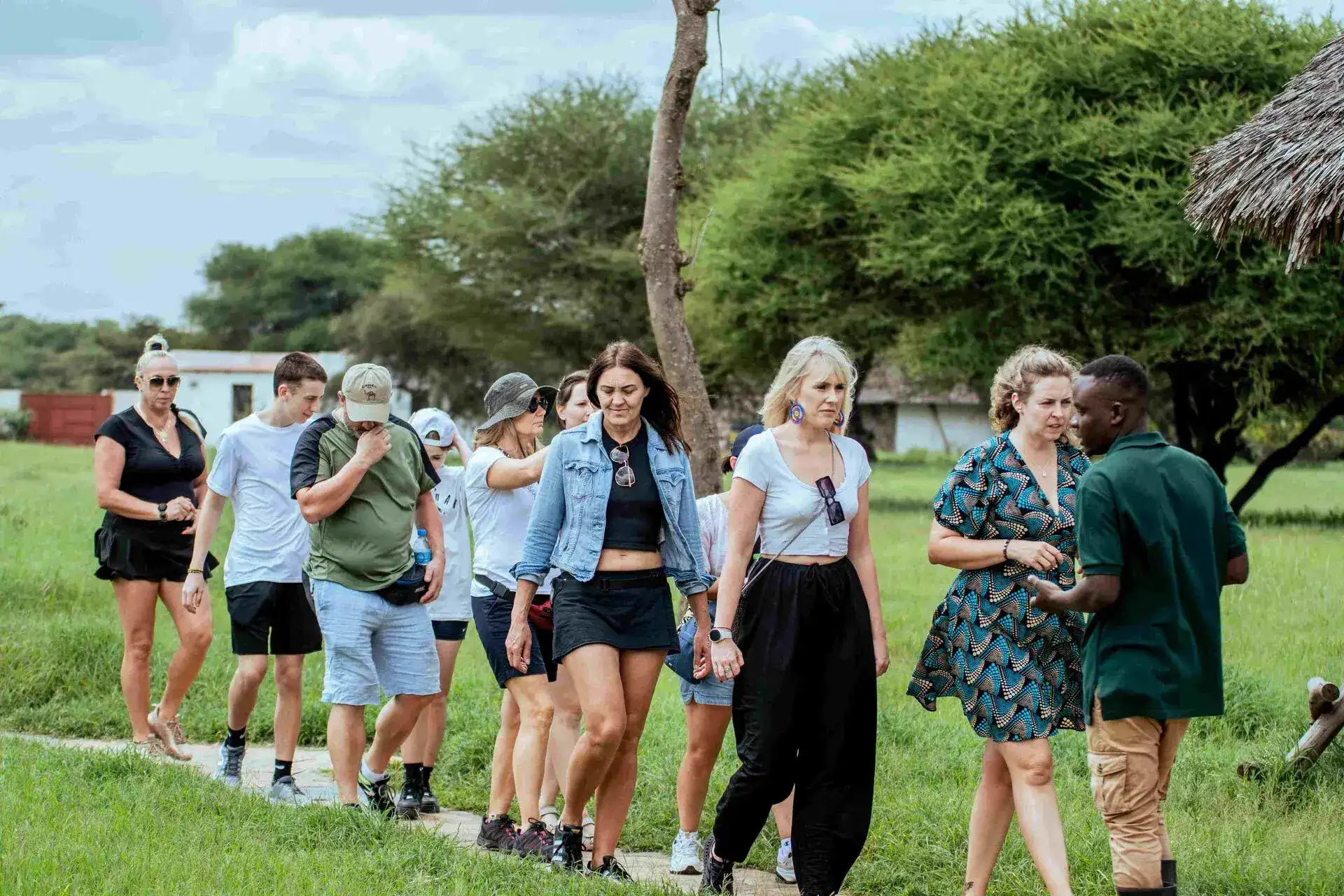
Wildlife Safety (On Safari)
- Always listen to your guide. Their instructions are crucial for your safety around wild animals.
- Stay inside the vehicle during game drives unless your guide deems it safe at specific designated spots.
- Do not hang limbs out of the vehicle.
- Keep noise levels down near animals to avoid startling them.
- Never attempt to feed or approach wild animals.
- Be cautious when walking around unfenced camps/lodges, especially at night; use escorts where provided.
Photography & Cultural Sensitivity
- Always ask for permission before taking photos of people, including Maasai or other tribal members. Respect their decision if they decline.
- Be mindful when photographing homes or private property.
- Dress modestly when visiting villages or towns, especially outside major tourist areas (shoulders and knees covered is generally respectful).
Road Travel
- Road conditions can vary significantly; travel between parks often involves driving on unpaved, bumpy roads.
- Avoid driving at night if possible.
- Use reputable transport providers like Golden Memories Safaris, whose vehicles are well-maintained and drivers experienced.
Emergency Contacts & Communication
- Keep our company contact details readily available.
- Have emergency contact information for your travel insurance provider.
- Mobile phone coverage can be patchy in remote areas; inform family/friends of potential communication gaps.
Our Commitment to Your Safety
At Golden Memories Safaris, your well-being is our top priority. We ensure:
- Experienced & Trained Guides
- Well-Maintained Safari Vehicles
- Radio Communication in Vehicles
- Adherence to Park Rules & Safety Briefings
- Assistance with Emergency Procedures
Trust your guide, follow safety instructions, and communicate any concerns you may have during your trip.
Always check your government's latest travel advisories for Tanzania
